



As harsher weather creeps in and the holidays invite chaos, the importance of making an effort to remain stress-free, well-rested, and healthy (despite all odds) grows. This winter, our team searched for wellness habits that can fit into busy, cold-weather month schedules seamlessly.
Colder weather can directly affect blood flow throughout the body, so it's more important than ever to incorporated wellness practices into your daily routine that boost circulation.
According to research by The Vascular Care Group, the most common symptoms of poor circulation that present themselves during the winter include extra cold hands and feet, numbness, tingling, or swelling in the extremities, and discolored skin in areas that are lacking proper blood flow.
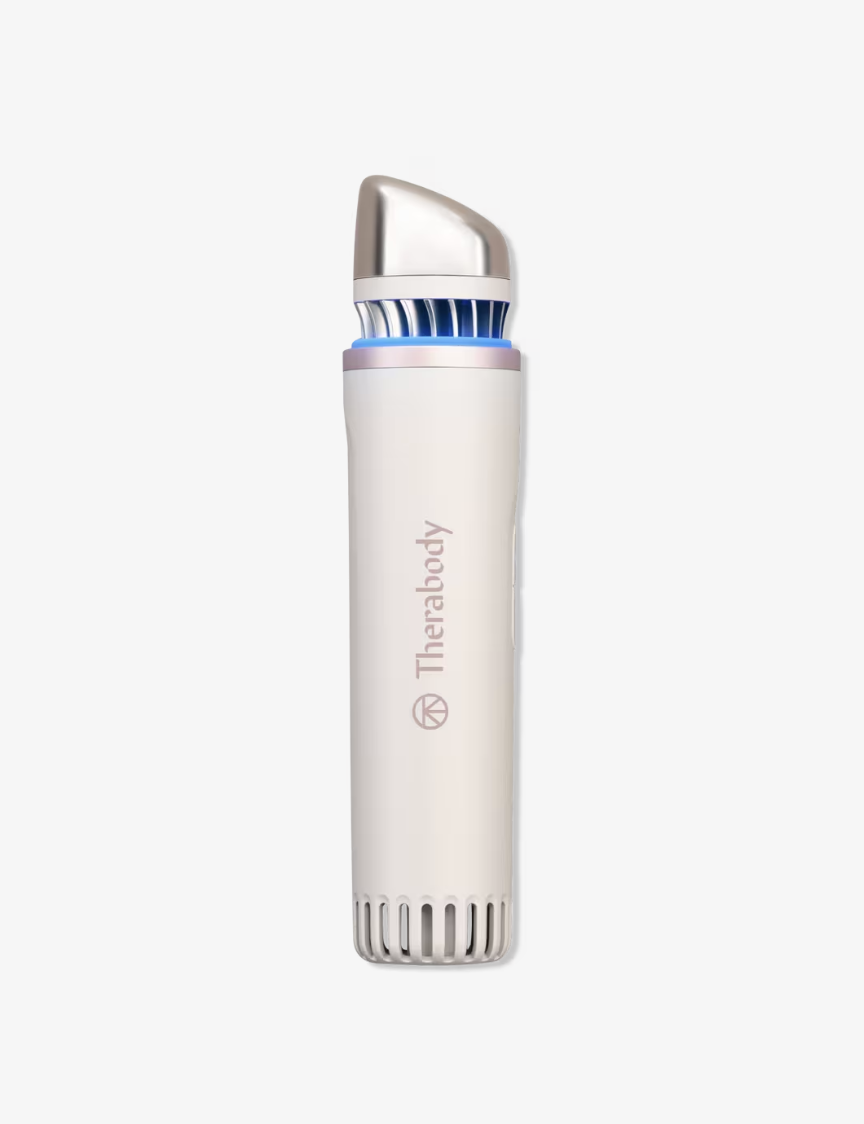
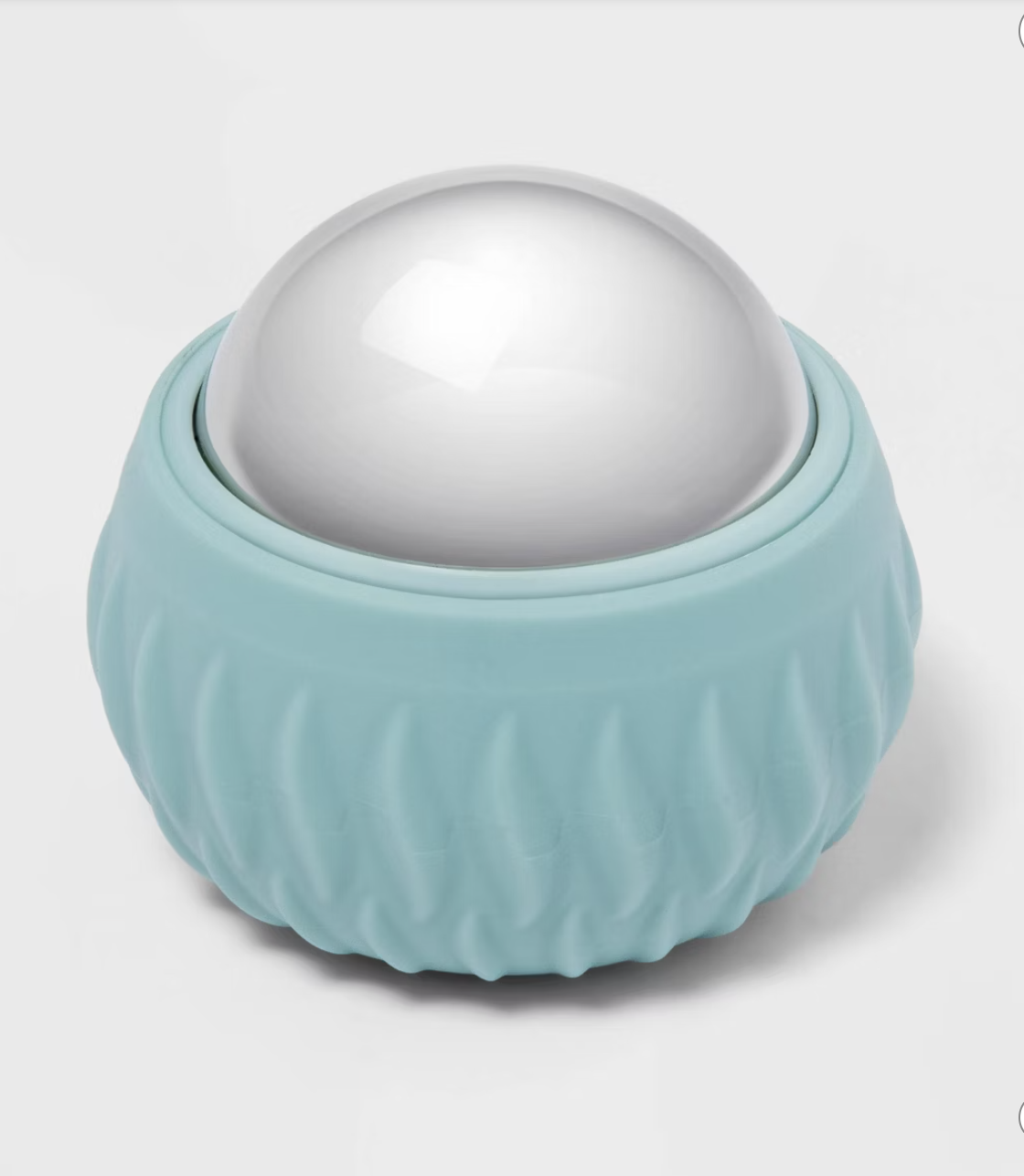
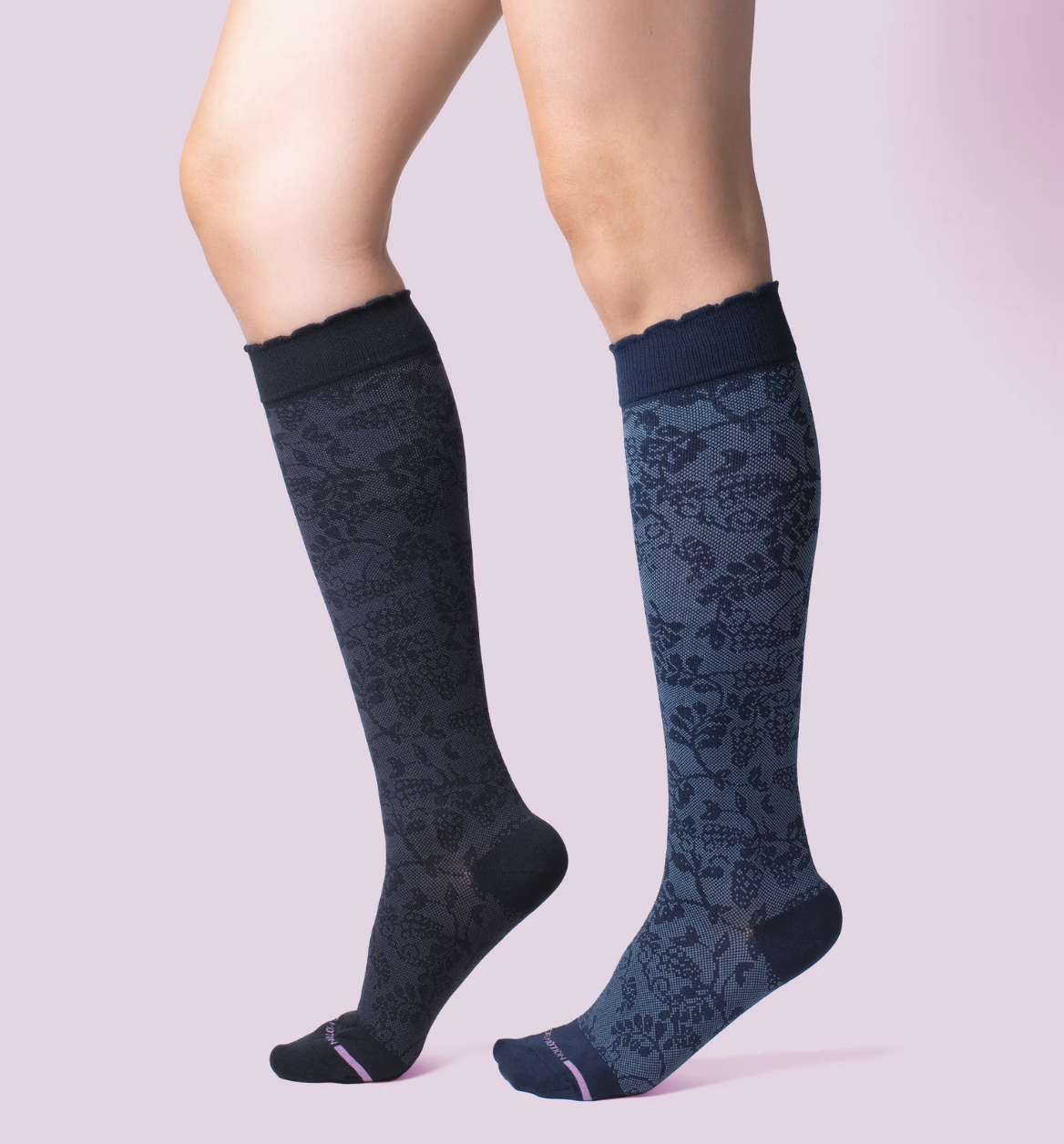
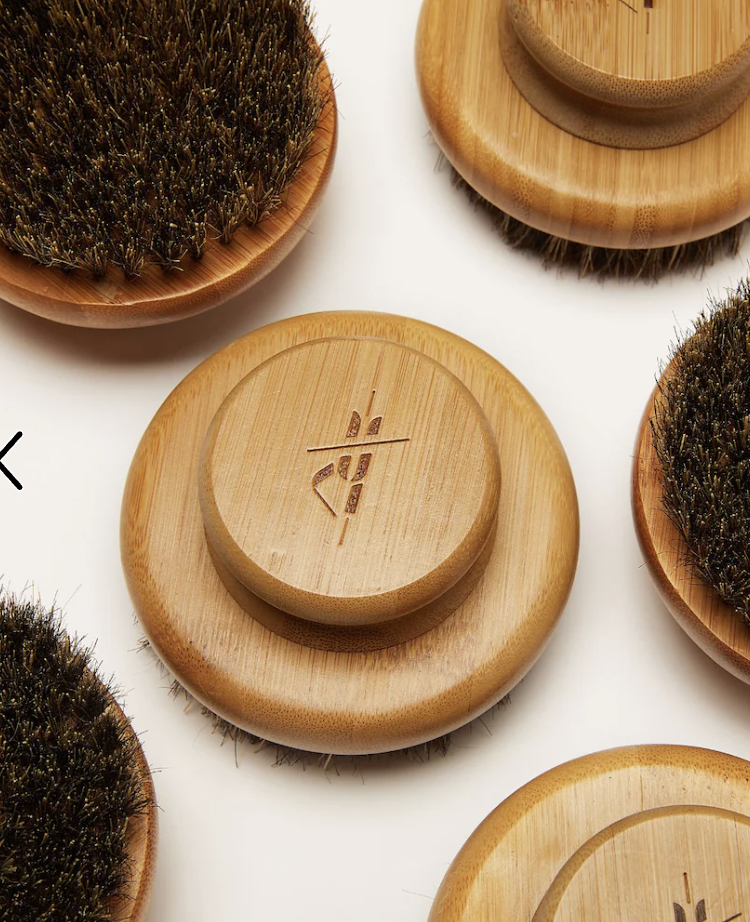
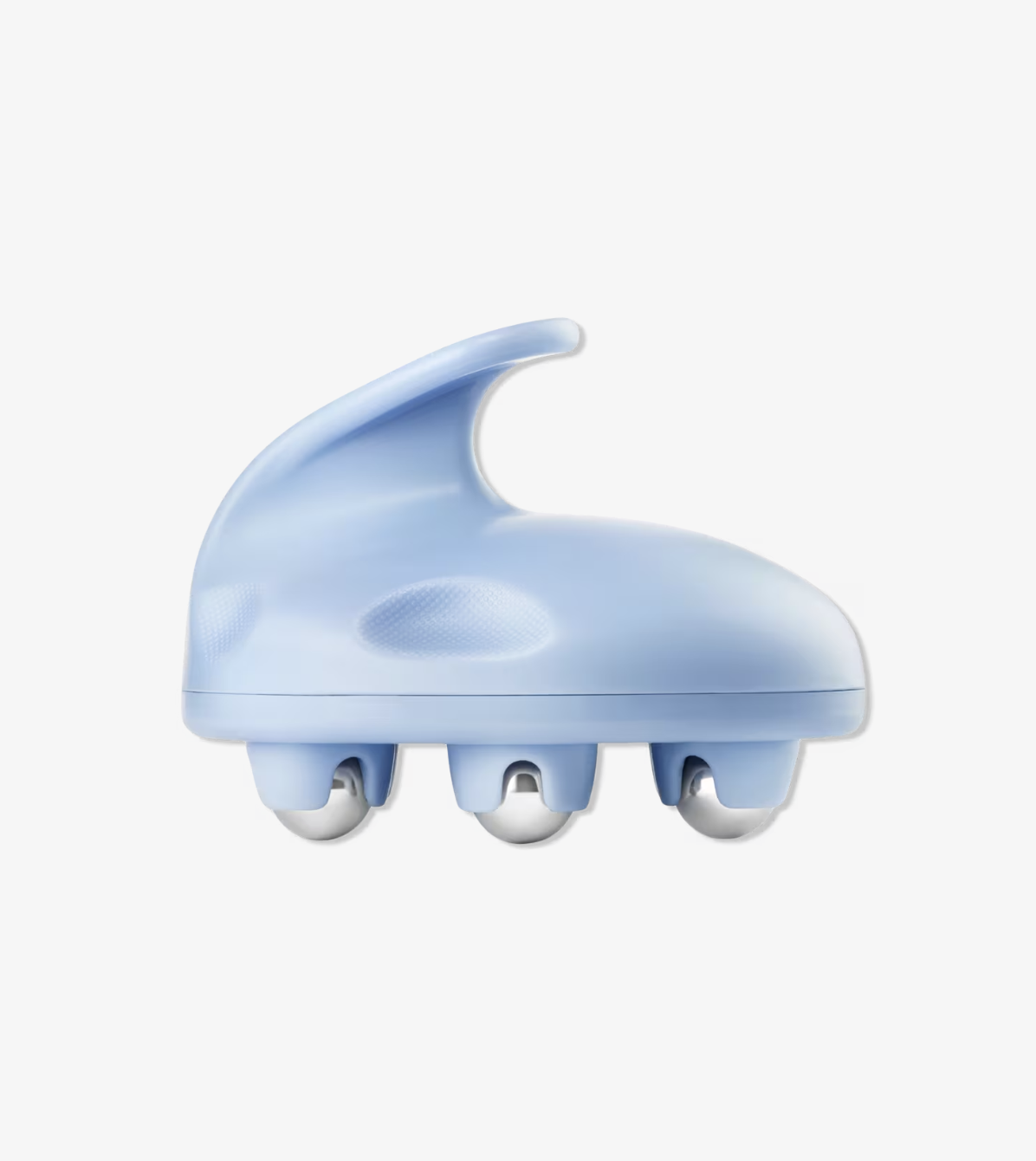
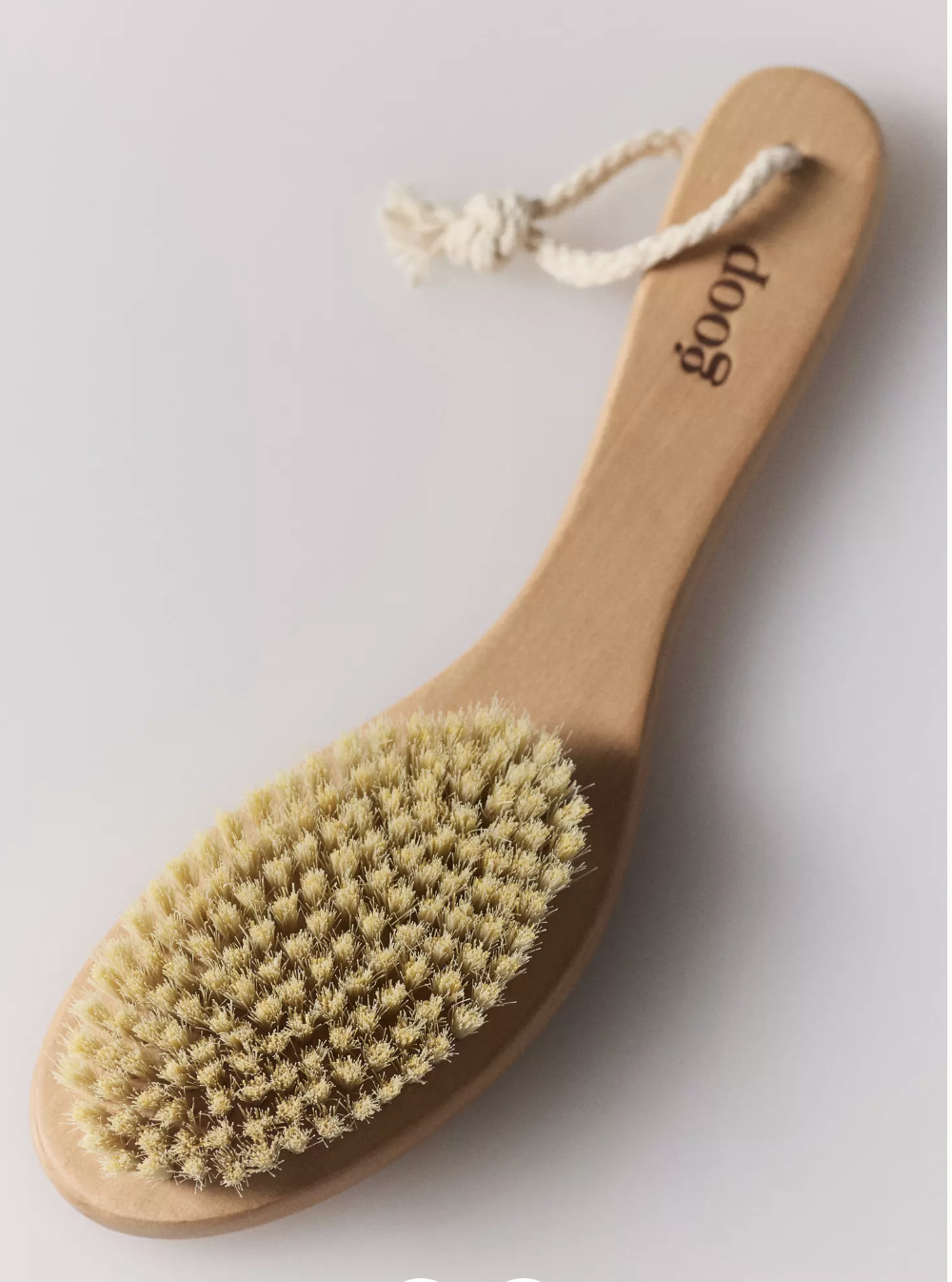
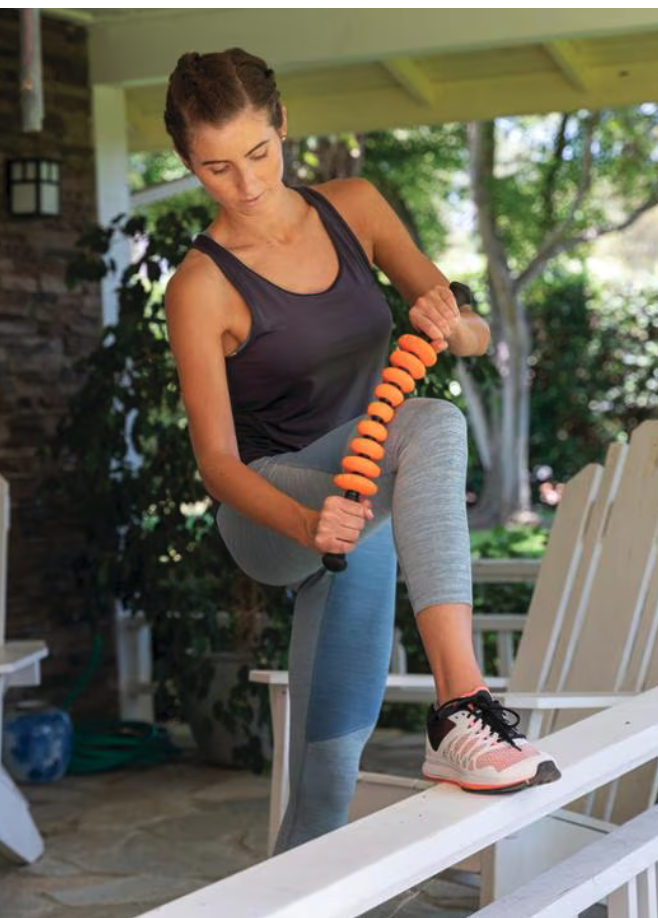
Extreme cases of poor circulation should be assessed by a medical professional, but there are many practices for circulatory system regulation that can be done at home, including incorporating compression gear into the wardrobe, dry brushing, and using massage tools to boost circulation and drain the lymphatic system.
This post contains affiliate links, which means we may earn a commission if you shop through them—no extra cost to you, just extra good taste.
Staying active is also a great wellness practice to keep up with as the weather gets colder to keep your energy up when poor circulation and darker evenings leave you feeling sluggish.
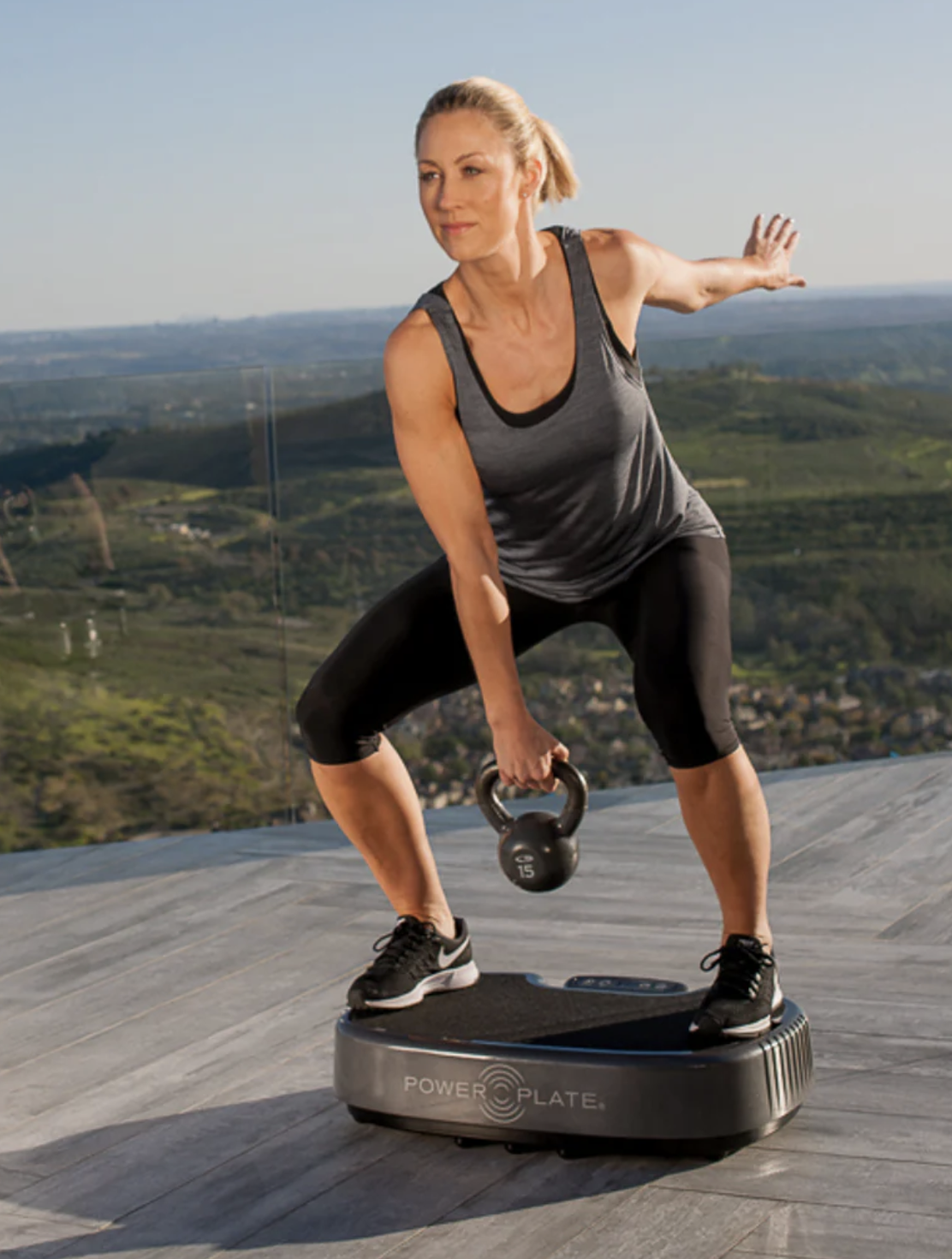
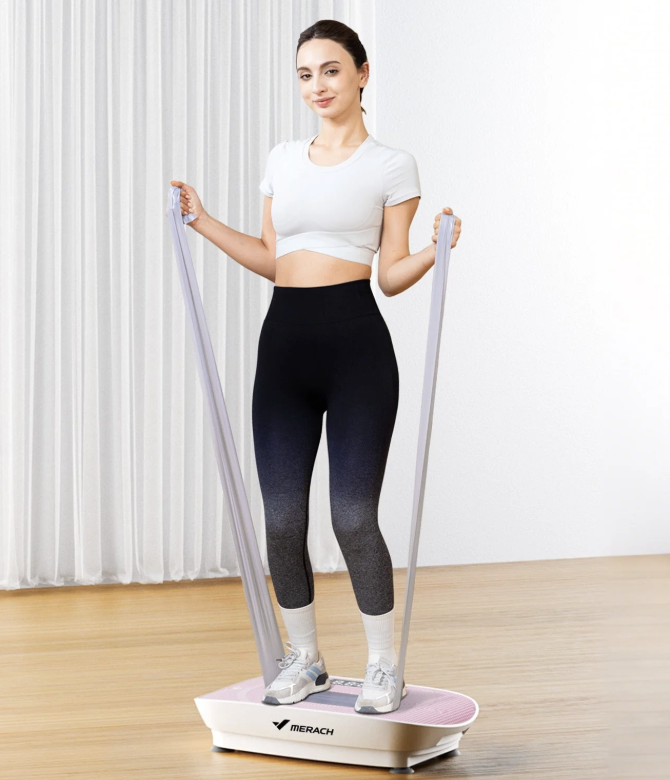
A rising trend for this winter is the use of whole-body vibration plates (WBV). Power Plate trainer, Laura Wilson , told Vogue that a 20-minute weight-lifting workout on a vibration plate can be equivalent to about 90 minutes in the gym.
"You are going to get so much further than you think because the secret is it’s pushing so much circulation, getting blood flow and nutrients back into the muscles, while you are working that you are recovering at the same time, so you are going to feel better despite doing so much more". — Wilson
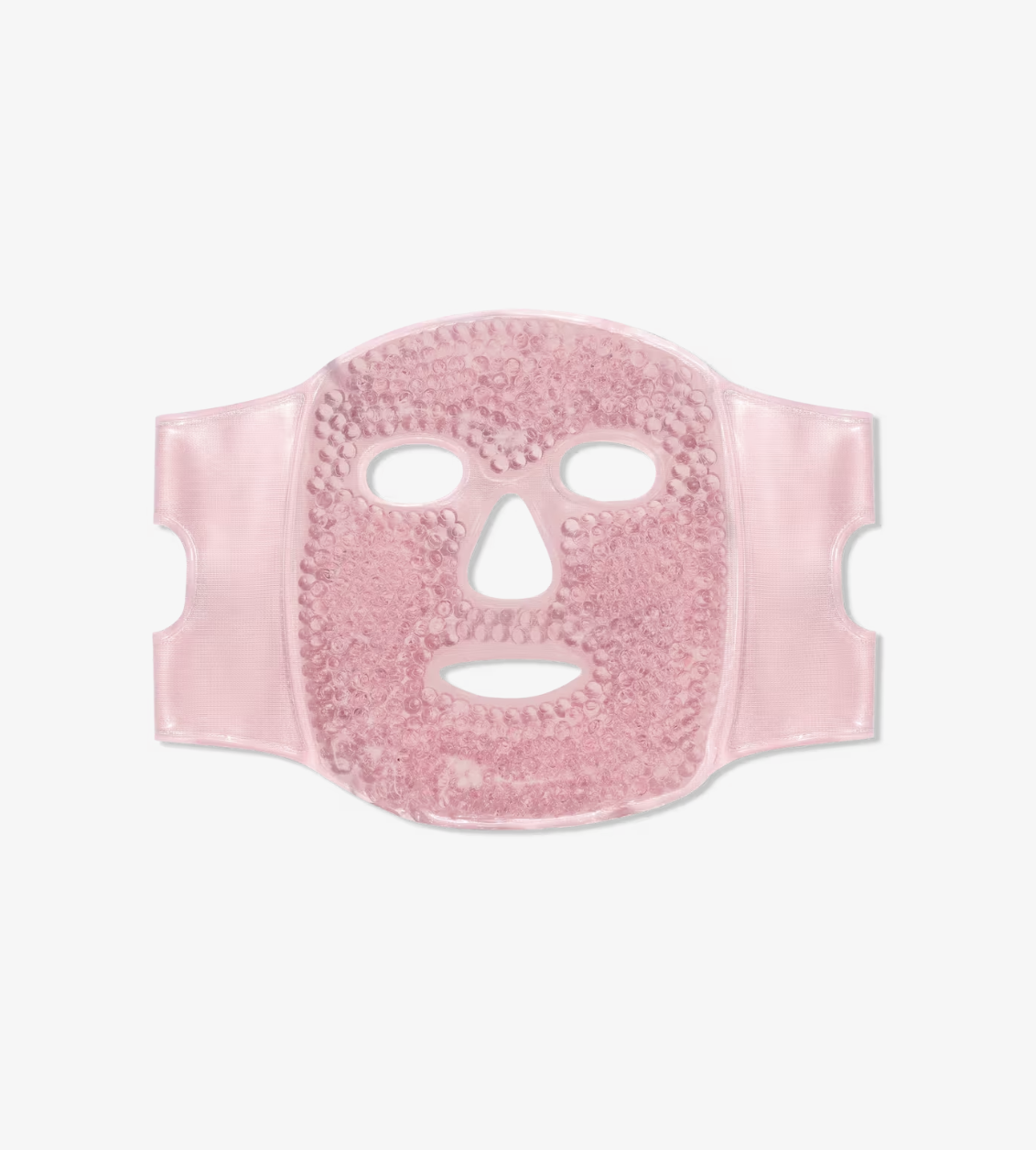
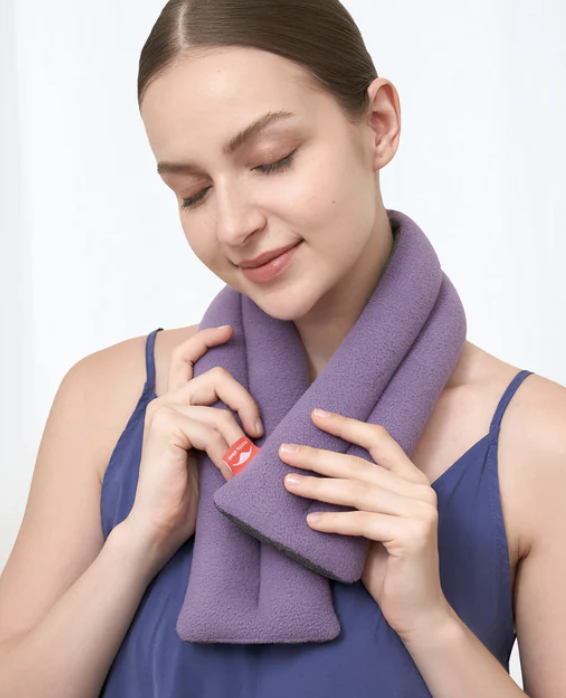
Temperature therapy is a great wellness practice for muscle recovery and boosting circulation during cold weather months. Heat therapy supports vasodilation, which is the widening of blood vessels. This process helps relax the muscles and increase blood flow, relaxing the body after exposure to the winter elements. Cold therapy can reduce inflammation post-workout, relieving pain and boosting the mood. It also reduces skin irritation and tightens the pores.
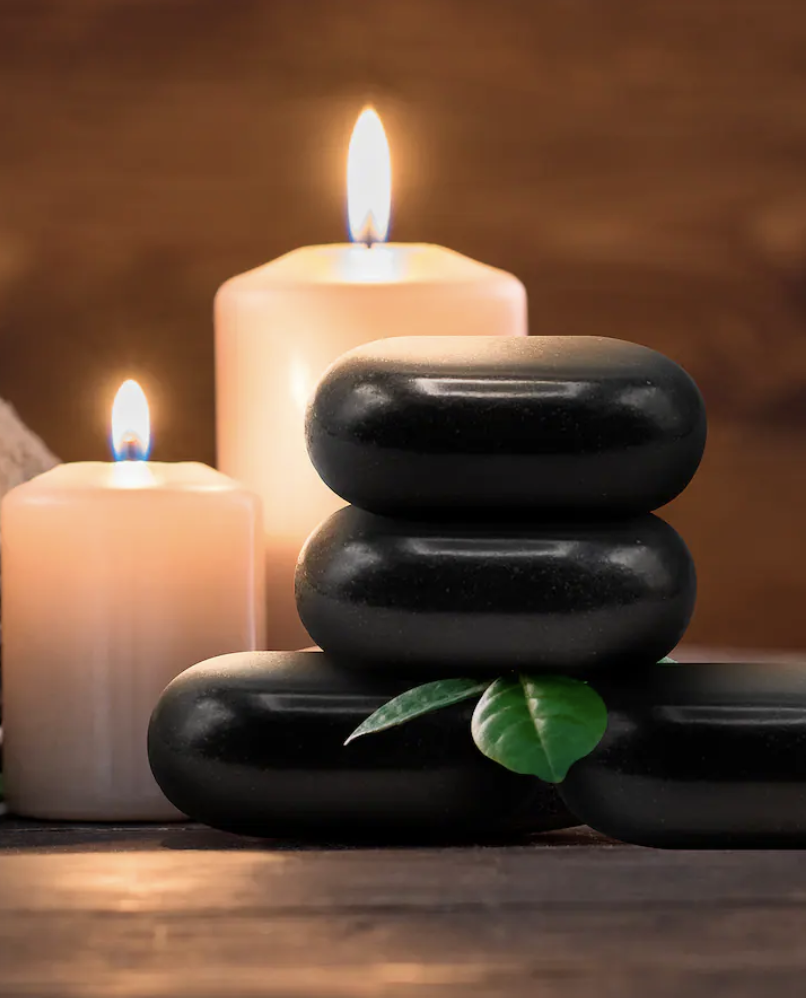
Many people also use contrasting temperature showers, hot-to-cold packs, or at-home heat/cold sessions like cold plunges or hot stone massages to reduce stress, improve the mood, and promote better sleep, especially when cold weather and shorter daylight hours start to mess with energy levels and circadian rhythms.